Notes
This is a place for thinking out loud, reflecting, and sharing ideas. Notes are a window into my process, thoughts, inspiration, and experiments. Explore visual gallery.
This is a place for thinking out loud, reflecting, and sharing ideas. Notes are a window into my process, thoughts, inspiration, and experiments. Explore visual gallery.
When Dunkin starts making protein drinks, it’s pretty clear we’re way beyond protein “being a thing.”
Not that long ago, protein felt like it belonged to a very specific crowd. Shaker bottles, chalky powders, fitness people on a mission.
Now it’s everywhere. Coffee counters, convenience fridges, right next to the register. It went from niche to mainstream fast.
I don’t hate the love for protein at all. If anything, it’s a good thing. I remember when I first started tracking macros and realizing how little I was consuming.
But fwiw sugary drinks are not a great path to hitting daily protein.
Most of it still comes from the basics. Including a clean protein (chicken, tuna, etc) at meals. And subbing in healthy options for our favorite sweets and snacks.
Luckily, there's plenty of those these days. Some good ones: Dave's Killer Bread, Magic Spoon, Khloud, WILDE, Yasso, Inc. or trusty old Greek yogurt and fruit.
Protein feels like a trend right now, but it’s always been important. And sugar drinks or not, it’s cool to see more brands leaning into it, raising awareness and making it more accessible.
+
I started collecting Snapple bottle caps as a teenager.
I didn’t have a plan. I just thought the little facts were interesting enough to hang on to. It was always fun to see what the next one would be.
Over time, that turned into quite a collection, stored safely inside a shoebox. Eventually, I had an idea to turn them into a project. I built a table out of the caps. I loved the idea of being able to sit there and read all the facts.
That table ended up in my portfolio when I applied to Tyler School of Art and Architecture, Temple University. I’ll never forget trekking it into my interview. It made quite a scene and became something the Dean at the time, Carmina Cianciulli, would mention for years to come :)
Looking back, it’s funny how my perspective has changed.
As a customer, I just thought it was cool. As someone who now works with CPG brands every day, it signals something different.
There was a lot packed into that small moment. The drink was the drink. The extra layer lived in the cap. A tiny delight that extended the experience.
I see the same idea show up in other brands.
Some nostalgic...
Bazooka Candy Brands bubble gum with the comics inside. You opened the wrapper and couldn't wait to see what was inside.
Cereal boxes with games, puzzles, or if you were lucky, a toy inside. I'll never forget my color changing spoon from Kellogg Company.
And more modern examples...
BEAR Fruit Snacks rolls with unique cards tucked into each pack. Kids (or me) start eating and want to see what they got.
La Fermière US and Kalypso yogurt served in a terracotta container that can be reused as a planter after eating.
All of these are small moments that make the experience bigger than what’s inside.
For brands that depend on repeat purchase, this feels like a real opportunity. I’m surprised we don’t see it more often across categories.
And I'd argue it's not just for kids! Adults are just big kids anyway.
Curious what comes to mind for others. Any product packaging experiences that have stayed with you?
+
Shout out to Renee Rogan Reilly for being an awesome neighbor and teaching me about vectors and Adobe Illustrator. I was so pumped to design those tags. And Dr Pepper Snapple Group for the inspo.
+
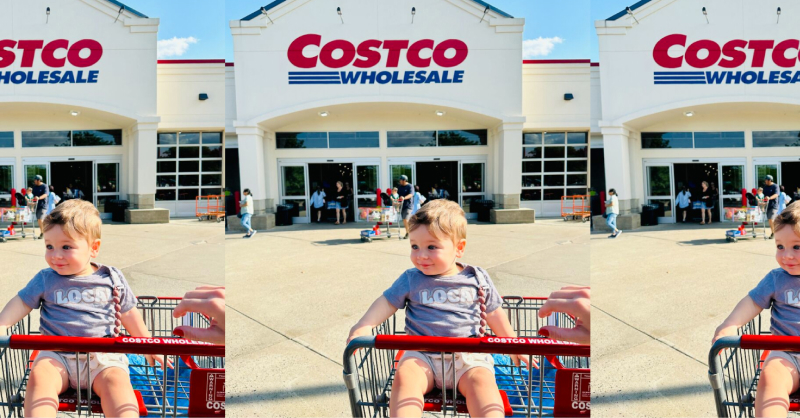
Spotted Vacation Inc. at Costco this weekend and I was like… whaaaat?
Sunday morning Costco runs have become a new ritual for my fam. They open an hour early for executive members, a perk we only discovered recently (pretty sure it’s new?). Somewhere along our walk through the aisles, my wife Dana came over holding a twin pack of Vacation sunscreen.
“This looks fun.”
Pretty sure my eyes went 👀 and my jaw fell to the floor. Vacation has been a brand I’ve only experienced through a screen and I haven't kept tabs on. Seeing it here felt like a plot twist.
The story starts in 2021 with Poolsuite (formally Poolside FM), an internet radio project built on an unapologetic 80s vibe. The founders took that world and turned it into a sunscreen brand, from the retro visuals and playful tones to scents that feel like summer and their whipped-cream style SPF mousse (that I very much need to try). Every detail connected back to the universe they created.
Before launch, they ran a clever campaign where fans could sign up as “honorary employees” and get a digital business card to share online. Thousands joined in, building a list and community before a single product shipped.
Once in market, they made email a growth engine, sending newsletters three times a week in the summer and twice a week in the off season to stay top of mind for those spur-of-the-moment sunscreen purchases.
Creators and user-generated content amplified the buzz. We even wrote about them in DTC Patterns (link in comments).
They shipped about 1,500 units every week to influencers and event hosts, keeping the brand in feeds. TikTok became a major sales driver for Classic Whip SPF. At one point, 80% of sales came through TikTok Shop.
By 2023, they were in more than 1,200 Ulta Beauty stores. Target, Nordstrom, CVS Pharmacy, and Bloomingdale's’s followed. Now, Costco Wholesale.
All said, kudos to founders Marty Bell, Lach Hall, and Dakota Green. Love seeing a brand born on the internet now stacked high in everyday places IRL. A testament to world building and quality products people can’t help but talk about.
And yes, after years of being aware of this brand, it took finding them in Costco to purchase.
+
We’ve worked with a number of alcohol brands over the years. Many have celebrity or influencer backing. One thing that comes up again and again is how important the website is in connecting brand story with the reality of how people shop.
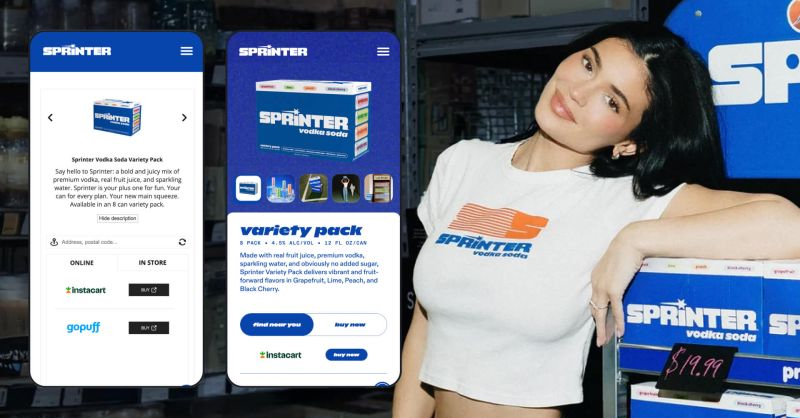
Sprinter is a good example. Founded by Kylie Jenner, the brand has been growing quickly in retail. When we partnered with their team on a website launch, the goal was to build a Shopify site (in just 6 weeks!) that looked and felt like Sprinter but also helped customers take action.
That meant clear product storytelling, bold visuals, and a smooth path to purchase. Most people aren’t buying direct, so we made it easy to find the product nearby or order through Instacart and Gopuff. Every product page makes the options clear. You can check availability at your local store or tap a button to get it delivered.
Even if retail is the main channel, the website still plays a key role. If done right, it builds credibility, shows what the brand stands for, and removes friction from the buying process.
+
Learn more about our work with Sprinter here.
+
What I love about people is how we find ways to connect over the most specific things, no matter how niche.
We build communities around vintage appliances, sourdough starters, fountain pens, competitive yo-yoing, discontinued sneakers.
Even... cheese. 🧀🧀🧀🧀🧀
Since 1983, the American Cheese Society has been bringing together folks who care deeply about the craft. Cheesemakers, dairy farmers, retailers, chefs, academics, even hobbyists. Every year, they host a blind competition that recognizes the best in cheese and cultured dairy.
Judges evaluate entries on flavor, aroma, texture, and appearance. Each product is scored by two people: a technical judge who deducts points for flaws, and an aesthetic judge who awards points for exceptional qualities. Minimum scores must be met, and the top three in each category earn 1st, 2nd, and 3rd.
It’s no joke. These awards are a real reflection of consistency, care, and craftsmanship.
So it’s been awesome to see BARREL client Cabot Creamery Cooperative Creamery bring home 16 awards this year.
First place for their Extra Creamy Salted and Unsalted Butters. First place for Monterey Jack, Pepper Jack, Muenster, and Crème Fraîche. Vault No. 5 Cheddar, made with Jasper Hill Farm, also took top honors.
Cabot has been doing this for over 100 years. These wins are a nod to the time, effort, and team behind every product. Not just one standout, but a full lineup with the same high standards.
Big congrats to everyone involved. Proud to see their work get recognized.
+
Learn more about our work with Cabot Creamery here.
+
In 2020, I decided to grow my hair out.
A small act of rebellion or maybe just nostalgia. I was embracing the teenager in me who once "rocked" a look somewhere between a 70s musician and a lion’s mane. The poof was real. This time, I was determined to figure out how to get it to lay flatter.
I tried everything and spent more time than I’d like to admit researching. Pinterest, YouTube, random men’s fashion blogs. Eventually, I discovered the powerful combo of argan oil and thick, wavy hair like mine :)
Naturally, I went to Amazon and grabbed whatever seemed legit. Organic. Cold-pressed. Third-party tested. I found a product, stuck with it, and reordered it a few times.
Then it disappeared.
So I picked another one with similar claims and kept going. Although my hair is much shorter these days, the oil still helps keep things tame.
When that one disappeared too, I found Cliganic. Same checklist, same oil. It did the job, so I kept buying. But if you asked me what brand I was using, I wouldn’t have had a clue. It was just another Amazon product that happened to be in my routine.
Until the other day when my usual shipment arrived. The box was smaller than usual, so I assumed it was the wrong SKU as I pried it open. But when I pulled out the bottle, I found a completely new size and beautifully updated packaging.
I had to blink a few times. Is this right?
The bottle looked great. The design felt intentional. Suddenly, this simple oil I’d never thought much about (but that had actually made a big difference for my hair) felt high end. A nice surprise.
I ended up on their website, then their Instagram, and realized this wasn’t just a product. It was a brand with a full line of wellness products, a mission around clean ingredients and accessibility, and certifications to back it up. USDA Organic. Leaping Bunny. Based in California. Sold in a variety of retailers, like Target.
All that from a packaging update.
Love this little story as a reminder that every touchpoint is an opportunity to tell a story and deepen a relationship. Especially when your product is something someone might buy on autopilot from a place like Amazon.
I’ve switched argan oil brands before without thinking twice. But this time feels different.
Kudos to Cliganic. They didn’t stop at the packaging. Their website and social delivered too as I kept exploring.
They turned me from someone who quietly buys their product into someone who notices if it’s not there, and write posts on LinkedIn about it.
I guess you might call me a fan.
+
Sorry if this is starting to sound like a hair ad, but felt like I had to share a photo of how long my hair got by the end of 2020. And of course, Cliganic’s new packaging. That’s the bottle on the right.
+
Had a good conversation this week with a partner at a PE firm that works exclusively with CPG brands.
We were talking about DTC. Some of the brands they work with have large DTC channels, but investing in CRO is not the focus. It’s more about how they show up online and create a brand experience that builds confidence, adds value, and helps people make a decision, whether that happens online, on Amazon, or at their local Target.
It’s an idea I come back to often. An effective DTC website plays a bigger role than attribution can show. It sets the tone for the brand, shapes how people perceive it, and influences decisions across every channel.
"Digital" isn’t a separate thing anymore. It’s integral to how people live. They’re reading reviews, watching TikToks, and looking up recipes, sometimes all while standing in the aisle.
The most effective CPGs don’t treat channels in isolation. They focus on showing up in ways that feel connected, useful, and consistent across the board.
Most brands in the refrigerated baked goods aisle don’t want you reading the label.
Sweet Loren’s is the opposite.
They want you to read and understand.
Founder Loren built Sweet Loren’s around one simple idea: clean, safe, and delicious dough that’s free of the stuff many people want to avoid (gluten, dairy, artificial flavors, etc). Ingredients have always been at the heart of that mission.
But that’s not always easy to explain.
We recently partnered with the Sweet Loren’s team to launch a new Ingredients page that brings clarity, transparency, and a bit of joy to how they talk about what’s inside their products. It not only showcases their family of trusted ingredients—it also makes it easy to see which SKUs contain what, making the shopping experience that much more helpful.
Like many retail-first CPG brands, Sweet Loren’s website is more than a place to shop. It’s a place to educate. The truth is, we never really know when—or why—someone lands on the site.
They could be standing in the aisle, scanning for a better option.
At home, researching a way to enjoy a treat without the guilt.
Or navigating a health issue that’s led them to find an alternative.
Pages like this help answer those questions. And sometimes, they’re the reason someone gives the brand a try.
Another *sweet* launch with Sweet Loren’s—props to the BARREL team. And to Sweet Loren's for being upfront with customers and proudly sharing what goes into their products.
More about our work with Sweet Loren’s.
+
I got this Native body wash as a gift (if you like eggnog, the scent is spot on). I love how they explain ingredients on the packaging—but was surprised to find this approach missing from their website 😔
Ingredient transparency isn’t just a trend; it’s what consumers expect these days.
Studies have shown as high as 55% of U.S. shoppers now research ingredients online before making a purchase, with nearly one-third checking the brand’s website directly. When that information is difficult to understand, hard to find, or missing, they’re left searching elsewhere, which can erode trust.
For brands like Native, a dedicated ingredient page would be a huge win, showcasing the care they take in sourcing the best ingredients and how to understand each—just like on the bottle.
With “better-for-you” (BFY) products on the rise, consumers are using their purchasing power to demand cleaner ingredients and more straightforward labeling. Social media and apps like Yuka are fueling this shift, making it easier than ever for people to evaluate what’s in their favorite products.
As more states pass additive bans and consumers become savvier about ingredient lists, having this info front and center in all touchpoints reinforces trust and loyalty in a big way.
As an avid Yuka user (yes, I’m the guy standing in the aisle scanning barcodes), it’s awesome to see brands prioritizing not only ingredient transparency but also finding better ways to formulate their products. Always enjoy getting a closer look and learning from some of the most inspiring CPG brands through our work at BARREL.
+
This past Sunday I was at Costco during prime sample time.
As I wandered through the store, checking off my shopping list, I couldn’t help but think about the countless ways customers interact with brands.
Many CPG brands have big ambitions to get into Costco (and succeed). I’m not sure how the store chooses which products to sample, but I saw plenty of folks tasting an item, then adding a full-size bag or box to their cart.
That moment can spark something big—a customer might fall in love with the product and become an advocate.
But here’s the challenge:
Does the brand even know this customer exists?
And how will that customer find out when the brand launches a new flavor or expands into another category?
While offline growth is, of course, powerful; getting to know your customers and building meaningful connections with them is key for long-term success.
The best brands understand these moments aren’t isolated. They build bridges across channels—inviting people into their lifestyle and community by offering value through content and experiences. They go beyond the product, creating a story that keeps customers coming back.
+
Every brand can and should make time for their customers, especially those who are most engaged.
In a recent episode of The Rich Roll Podcast, NYC restauranteur Michael Chernow shares a important practice from his journey growing his overnight oats brand, Kreatures of Habit.
Every week, during one of his daily rucks, he reviews a list of customers who have recently surpassed 24 orders and selects a few to call at random. He thanks them for their loyalty and probes for their honest feedback about the brand and product.Here’s why this simple act can create transformative results:
+
If you're not familiar with Michael or his story, I highly recommend checking out this episode, it's inspiring for both personal and professional growth. Here's the YouTube version: https://lnkd.in/eamYxRA4
I recently spoke with a prospect who started using Shopify Audiences to dip their toes into digital marketing and has seen solid success so far. Shopify Audiences is a no-brainer for Plus merchants looking to get started or optimize their marketing efforts. It uses millions of commerce intent signals to create hyper-relevant target lists that lists integrate seamlessly with major ad platforms like Meta, Google, Pinterest, TikTok, Snapchat, and Criteo.
Here are a few key benefits:
+
If you're looking for ways to maximize your ad performance by reaching the right potential customers, it's worth checking out Shopify Audiences.
Over the weekend, I was thinking about Dana's growing appreciation for the brand Cuyana. Last year, I gifted her a personalized wallet for her birthday (bought in NYC) and this year, a new purse for Mother's Day—both of which she adores. However, Cuyana sees me as the customer, aka the one using these items.
After my first purchase, I started receiving emails from Cuyana, and after the recent purse purchase, they've been sending me frequent SMS messages. The latest message was refreshing; they asked me about my content preferences:

While this is a step in the right direction, Cuyana would get more value by inquiring at checkout whether the item was for me or someone else. They could then better cater the messaging to me (less frequent, focus on gifting) and perhaps even include a note in the package for Dana that offers her an incentive to join their newsletter.
I'm a ghost to Magic Spoon, and Dana is a ghost to Cuyana.
I enjoyed my time with the Recharge team and other partners in San Diego this week for ChargeX24. See my recap on LinkedIn here.

Recharge has spent a decade powering subscriptions for 20,000+ brands, boasting over 100 million subscribers on their platform, which means they have access to a plethora of data. I'm happy to see them leverage their unique position to build products that better serve merchants through access to data insights, enriched customer experiences, robust analytics, and tools to guide strategic planning.

One of the highlights at ChargeX was Recharge’s announcement of Retain, a suite of products that, "work together to keep customers coming back at each stage of their subscription journeys—and, when they choose not to, to gather data on why and inform business decisions upstream." (Source)

Features include:
Beyond the announcements from Recharge, here are some additional takeaways:
+
This post originally appeared in #78 of The E-Commerce Corner. Subscribe here.
Had to laugh at this post last week about how marketers think people buy and what really happens.
The truth is we often try to dream up the perfect sales funnel, imagining the ideal path from ad to purchase. But when we take off our marketer hat and think about how we actually shop, we know it's a whole different ball game. We discover brands in a blur of daily noise, and sometimes can't even pinpoint what led us to buy. This is especially true in the CPG world, where you can find products just about anywhere.
Let's take a look at some sample customer journey scenarios across channels:
Scenario 1: In-Store Discovery
Scenario 2: Amazon Browsing
Scenario 3: Social Media Influence
Scenario 4: Targeted Advertising
Scenario 5: Email Marketing
+
This post originally appeared in #77 of The E-Commerce Corner. Subscribe here.